
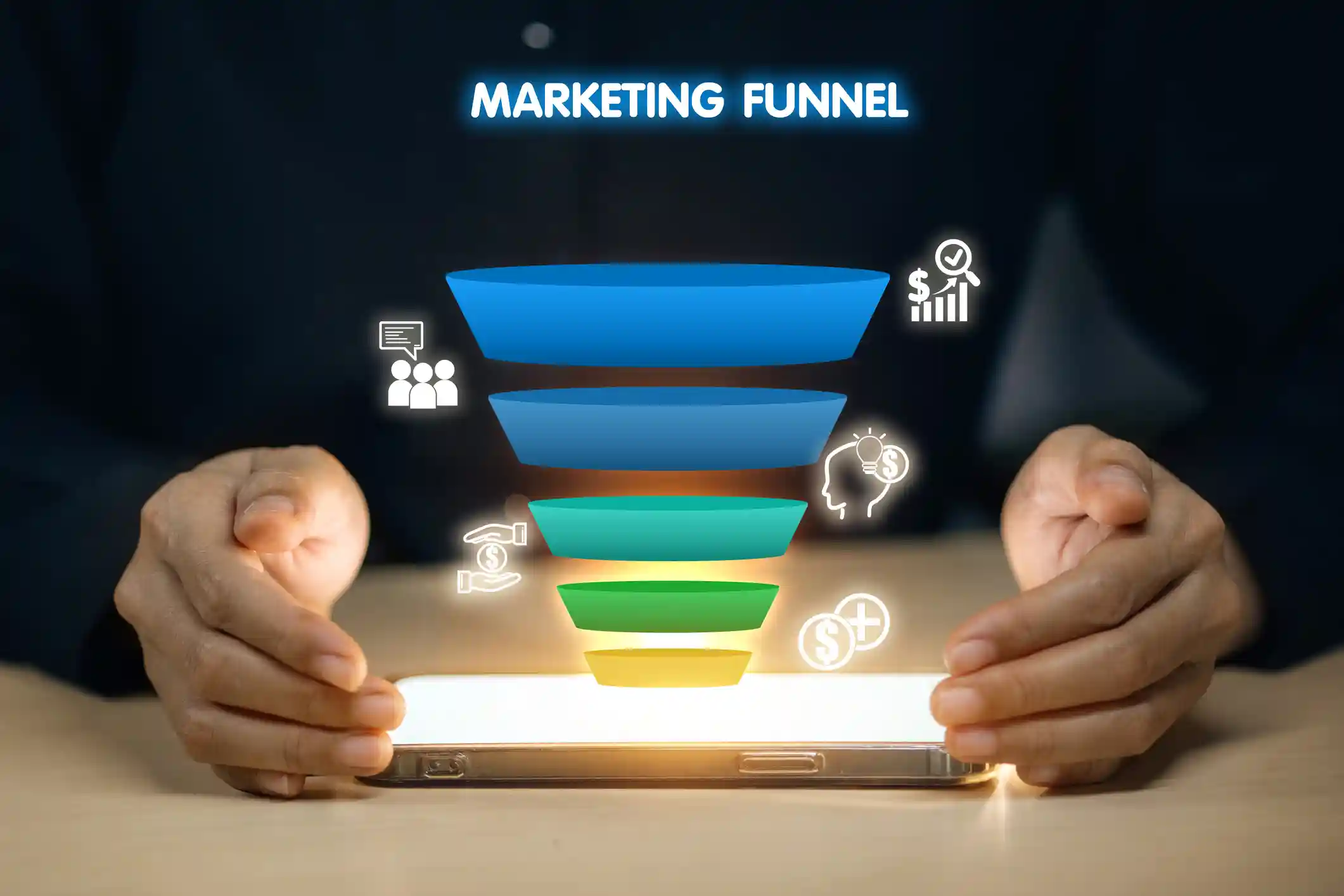
Every month, law firms spend thousands of dollars driving traffic to their websites, only to watch potential clients click away without scheduling a consultation. The culprit? A broken lawyer marketing funnel that treats every visitor the same, regardless of where they are in their decision-making journey.
The harsh reality is that less than 3% of website visitors are ready to retain counsel immediately. The other 97% need nurturing, education, and trust-building before they’ll pick up the phone. Without a structured funnel approach, you’re essentially paying for expensive clicks that generate zero signed cases.
State Bar advertising ethics require transparency in all client communications, making it even more critical that your marketing funnel builds genuine trust rather than relying on high-pressure tactics. The firms that understand this distinction are the ones consistently converting clicks into retained clients while their competitors struggle with high cost-per-acquisition rates.
At YMM Digital, we’ve helped law firms reduce their cost per signed case by up to 70% by implementing conversion-focused funnels that respect the client journey. Rather than chasing vanity metrics, we focus on measurable ROI that directly impacts your bottom line.
What Exactly Is a Lawyer Marketing Funnel?
A lawyer marketing funnel is a systematic approach to guiding potential clients from initial awareness of their legal problem through to retaining your services. Unlike traditional advertising that focuses on immediate conversions, a marketing funnel recognizes that legal decisions involve significant emotional and financial considerations.
The funnel acknowledges that different users are at different stages:
- “Do I need a divorce lawyer?” → early awareness stage
- “Divorce attorney near me consultation” → ready-to-act stage
Your messaging must match intent at each stage.
How Does This Differ From Traditional Law Firm Advertising?
Traditional advertising relies on an interruption model—capturing users at the exact moment they need help. This works for urgent cases like DUI or criminal defense, but misses most prospects.
Key Differences
Traditional Advertising:
- Focuses on immediate conversions
- Interrupts user behavior
- Heavily dependent on timing
Funnel-Based Marketing:
- Builds trust over time
- Educates before selling
- Captures and nurtures long-term leads
Law firms using funnel-based marketing often report significantly higher lifetime client value because trust is built before the first call.
Why Do Most Law Firm Marketing Efforts Fail to Convert?
Most law firms fail because they treat their website like a digital brochure instead of a conversion system.
Common Failure Points
- Generic landing pages that ignore user intent
- No follow-up system for non-ready leads
- Weak or missing social proof
- Lack of mobile optimization
Most importantly, firms focus only on traffic—not conversion.
What Role Does Timing Play in Legal Decisions?
Legal decisions are rarely immediate. Clients often take weeks or months before contacting an attorney.
Key Insight
A successful funnel keeps the firm visible throughout the entire decision cycle:
- Early research phase → educational content
- Consideration phase → case studies & trust signals
- Decision phase → direct consultation CTA
The firm that stays present throughout wins the case.
How Do You Structure an Effective Lawyer Marketing Funnel?
An effective funnel has four stages:
1. Awareness Stage
Users recognize a legal problem but are not ready to hire.
Content types:
- Educational blog posts
- FAQ pages
- Explainer videos
2. Interest Stage
Users begin actively researching solutions.
Tools:
- Lead magnets
- Email capture forms
- Guides and checklists
3. Consideration Stage
Users compare law firms.
Key assets:
- Case studies
- Testimonials
- Attorney bios
- Process explanations
4. Action Stage
Users are ready to contact a lawyer.
Must-have elements:
- Strong CTA buttons
- Simple contact forms
- Click-to-call functionality
- Clear next-step guidance
What Should Your Awareness Stage Include?
The awareness stage builds traffic and trust.
Core Components
- SEO-driven blog content
- Educational legal guides
- Social media insights
- Video explainers
Goal: answer questions before competitors do.
How Do You Build Interest and Engagement?
This stage turns visitors into leads.
Effective Tools
- Downloadable legal resources
- Email nurturing sequences
- Retargeting ads
- Case-specific guides
Example Lead Magnets
| Practice Area | Lead Magnet | Follow-Up Content |
|---|---|---|
| Family Law | Divorce checklist | Custody + asset guides |
| Employment Law | Workplace rights guide | Documentation templates |
| Personal Injury | Accident checklist | Insurance claim guides |
What Drives Prospects From Consideration to Action?
At this stage, trust becomes the deciding factor.
Key Conversion Drivers
- Social proof (testimonials)
- Case studies
- Attorney credibility
- Clear process explanation
Users are asking: “Why should I choose you over another firm?”
How Important Are Case Studies and Social Proof?
Extremely important—but must remain Bar-compliant.
Best Practices
- Focus on process, not guaranteed outcomes
- Highlight client experience
- Use video testimonials when possible
- Avoid misleading success claims
How Do You Optimize Each Stage for Maximum Conversion?
Optimization depends on identifying drop-off points.
High-Impact Elements
- Headlines that match intent
- Clear CTAs above the fold
- Simplified contact forms
- Strong mobile UX
- Visible phone numbers
Even small improvements can significantly increase case volume.
How Do You Nurture Leads Who Aren’t Ready Yet?
Most firms lose leads here.
Effective Nurturing Strategy
- Weekly educational emails
- Legal updates relevant to their situation
- Case insights and guidance
- Gentle reminders of availability
The goal is visibility, not pressure.
How Do You Maintain Bar Compliance While Scaling?
Compliance is non-negotiable in legal marketing.
Key Rules
- No guaranteed outcomes
- No misleading claims
- Clear disclaimers where required
- Educational tone over sales pressure
Funnels should inform—not manipulate.
What Technology Stack Powers Effective Law Firm Funnels?
A strong funnel requires integration.
Core Systems
- Website CMS
- CRM system
- Email marketing platform
- Analytics tools
Why CRM Matters
- Tracks every lead
- Automates follow-ups
- Identifies best-performing channels
How Do You Measure and Improve Funnel Performance?
You cannot improve what you don’t measure.
Key Metrics
- Visitor → lead conversion rate
- Lead → consultation rate
- Consultation → signed case rate
- Cost per signed case
- Lifetime client value
These metrics matter more than traffic alone.
Ready to Build a High-Converting Law Firm Funnel?
Most law firms don’t have a traffic problem—they have a conversion problem.
A structured funnel:
- Captures more leads
- Nurtures undecided prospects
- Improves case quality
- Reduces acquisition costs
Firms that implement funnel-based systems consistently outperform competitors relying on fragmented marketing tactics.
The question isn’t whether you need more traffic—it’s whether your existing traffic is actually turning into signed cases.
Source: Marketing Funnels for Lawyers: Turning Clicks Into Clients